Shame
Ready to take the next step?
You might notice shame in the way you speak to yourself: harsh, critical, unforgiving. You might feel it after social situations, replaying what you said and imagining how you were perceived. You might feel it in relationships, struggling to express needs, fearing rejection, apologising too much, or expecting to be judged. Shame can make it difficult to accept kindness. It can make achievement feel empty, because it never feels like enough. It can also keep you stuck in patterns you want to change, because the fear of being seen feels unbearable.
Shame often grows in places where you weren’t met with understanding. It can come from being criticised, compared, humiliated, ignored, or blamed especially repeatedly, or in childhood. It can come from trauma, abuse, bullying, controlling relationships, or experiences where your boundaries were not respected. It can also come from cultural, family, or social messages about what you “should” be. Sometimes shame attaches to specific experiences. Sometimes it’s a long-standing sense of not belonging.
Counselling can be a powerful place to work with shame, because shame heals in relationship. An integrative approach allows us to explore both how shame shows up now, and where it may have begun. We can look at how you protect yourself: people-pleasing, perfectionism, withdrawal, overworking, self-silencing, or trying to be “easy” so you don’t get rejected. These strategies often make sense, they were ways of surviving emotionally. But they can also keep shame alive.
In therapy, we move gently. Shame often fears exposure, so the pace matters. You’re not pushed to disclose anything before you’re ready. Instead, we build safety and trust. We start to name shame without letting it define you. We begin to separate your worth from your coping strategies, your past experiences, or what others have said about you.
We may explore the inner voice that shame creates, where it comes from, what it repeats, and how it impacts your choices. We may also explore the feelings underneath shame: grief, anger, fear, longing, vulnerability. Shame often forms around unmet needs and unspoken pain. When those parts of you are met with compassion rather than judgement, something begins to change.
Working with shame can help you feel more grounded in who you are. It can support healthier boundaries, more authentic relationships, and a kinder internal world. It can help you stop performing and start living. It can also help you feel more able to take up space, to speak, to rest, to be imperfect, to be human.
If shame has been shaping your confidence, your relationships, or how you treat yourself, counselling can help you loosen its grip. You don’t have to carry it alone, and you don’t have to earn the right to be supported. Therapy can offer a steady place to be seen with care and to begin relating to yourself in a new way.

Feeling anxious, overwhelmed, or constantly on edge?
You might be stuck in your thoughts, struggling to relax, or bracing for something to go wrong — even when everything looks fine on the outside.
You don’t have to manage it alone.
Feeling low, flat, or not quite yourself?
You might be getting through the day on the outside, while inside everything feels heavy, distant, or harder than it should.
You don’t have to carry this on your own.
Experiencing loss or grief?
You might be feeling sadness, numbness, anger, or a sense that life has changed in ways that are hard to put into words.
You don’t have to go through it alone.
Struggling with the impact of past experiences?
You might feel on edge, overwhelmed, or disconnected — or notice that certain situations affect you more than they should.
You don’t have to face this on your own.
How it works
Initial telephone conversation
I offer an initial telephone consultation to enable you to check whether you feel comfortable talking to me, be able to explain your current difficulties/issues and for me to explain in more detail how I work and whether this is appropriate for your needs.
Booking an appointment
If you decide to start therapy sessions with me we can arrange an appointment time that is on a mutually agreed time and day, which would then be at the same time and day on a weekly basis.
Fees & Payment
Sessions are £60 and I ask for payment by BACS and 24 hours prior the session.
What I offer
I provide counselling for adults age 18+ working on an individual basis.
Sessions are available:
- Face to face
- Online
- By telephone
I also provide counselling for clients referred through Employee Assistance Programmes (EAPs).
Gina Laibinis
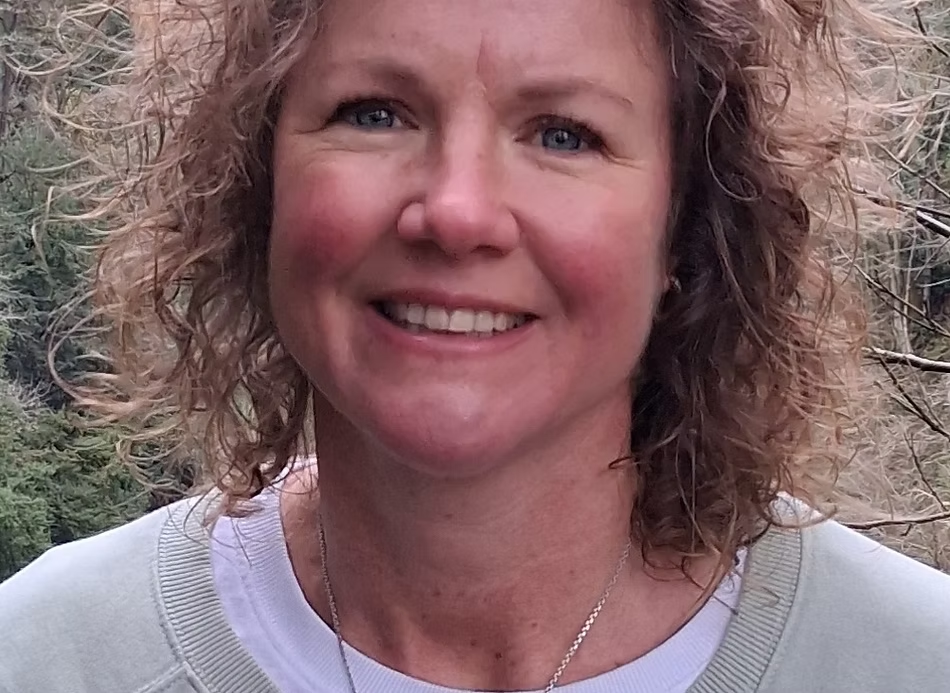
I am a member of The British Association of Counselling and Psychotherapy and adhere to their ethical framework and code of practice. I have monthly supervision to ensure that my I am providing the best practice and service to meet the needs of my clients.